
Welcome

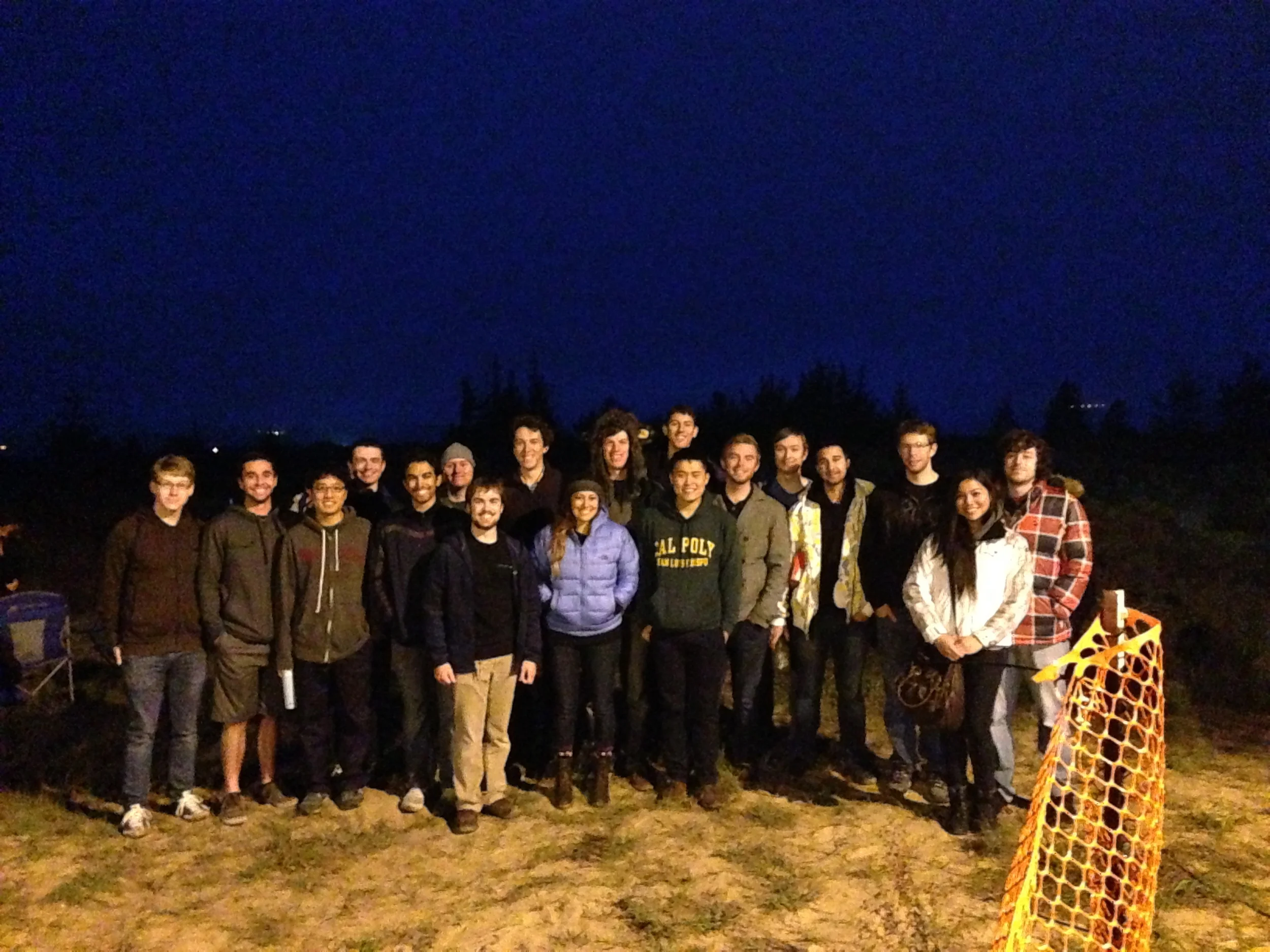
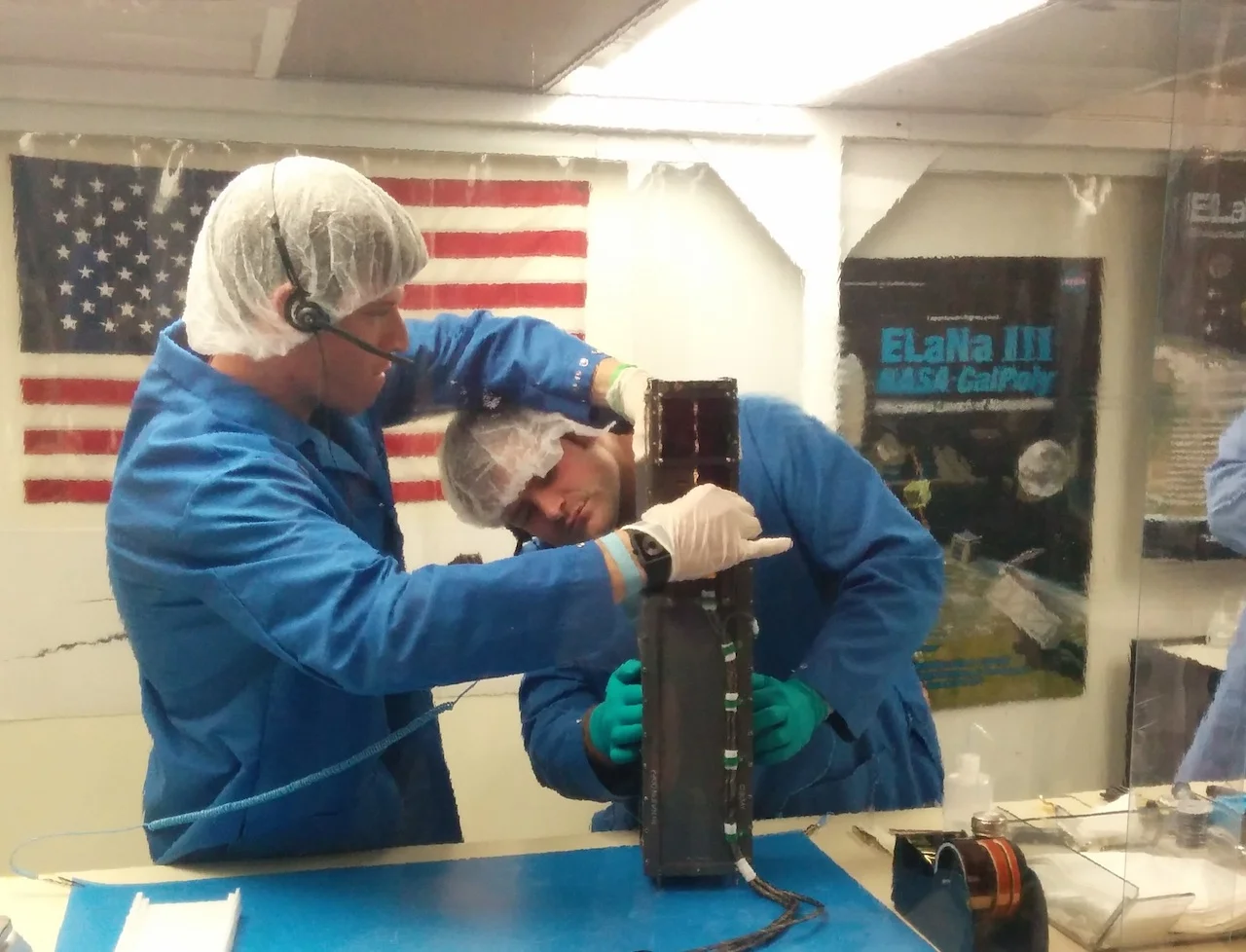
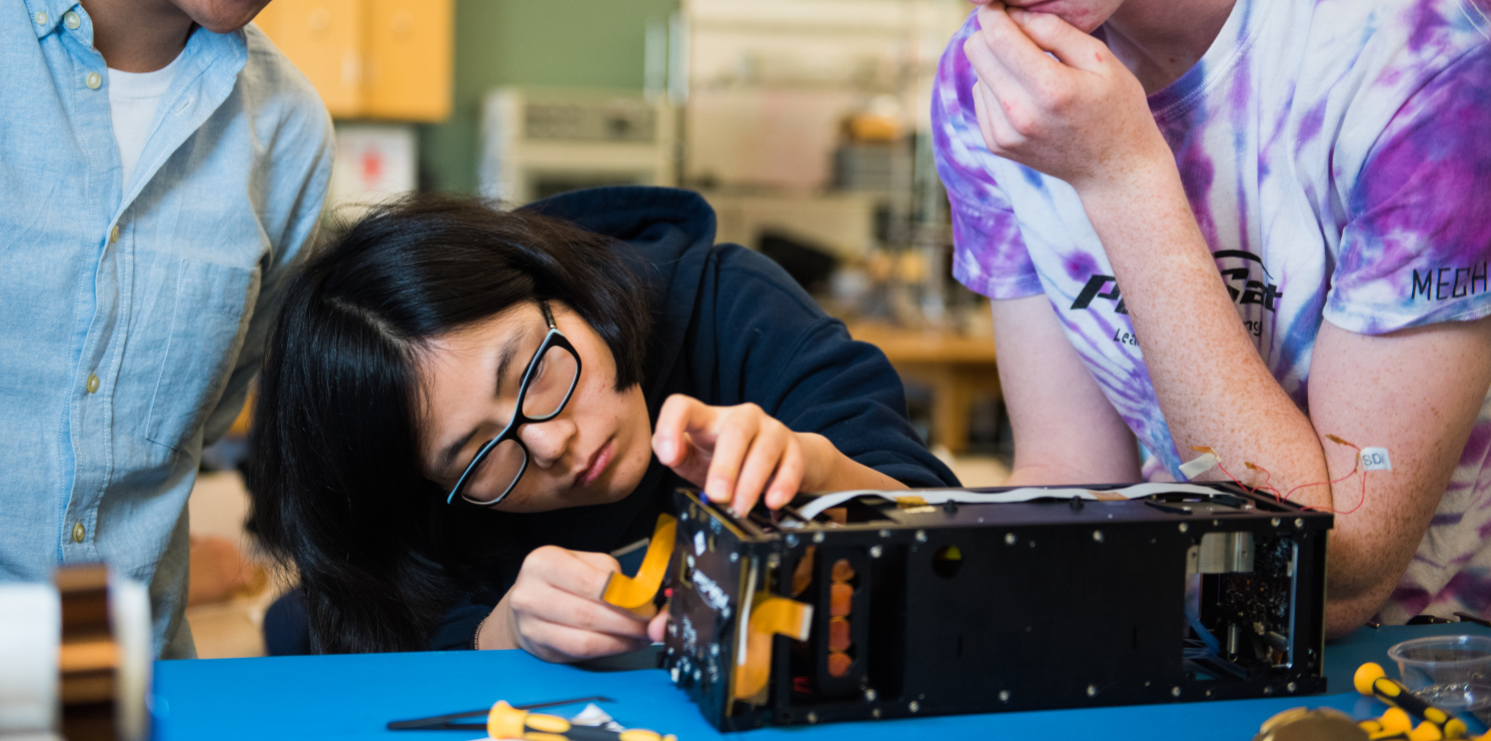
The Cal Poly PolySat Project was founded in 1999 and involves a multidisciplinary team of undergraduate and graduate engineering students working to design, construct, test, launch, and operate a CubeSat.

We are working to build small satellites that perform a variety of scientific research and explore new technologies in space. Innovative companies are designing space applications and experiments which PolySat can help engineer into reality. These payloads are taking advantage of the latest in aerospace technologies, minimizing mass and volume. PolySat can develop the technology and hardware to provide private firms and government a low-cost way of flying payloads in space. The project is currently accepting applications for new project members for the CP5 team.

Latest News

5/28/2009 - CP6 Status

We're still making regular contact with CP6 and have reduced the beacon rate to 60 seconds as a precautionary measure for power consumption. Thanks again to everyone for listening!

5/24/2009 - CP6 Status

We're making regular contact with CP6 and it's currently beaconing every 30 seconds. We really appreciate all the data being forwarded to us from around the world! Thanks to everyone listening!

5/21/2009 - CP6 Data

The first beacon heard from CP6 is posted on the CP6 page along with audio.

5/21/2009 - CP6 Modulation Clarification

There has been some confusion on the modulation used for the CP6 beacons. The satellite transmits FSK in SSB, not FM. Specifically, we tuned the radio for 437.365 LSB. Contact us if you have any questions. Sorry for the confusion!

5/19/2009 - CP6 Heard!

CP6 is beaconing and it appears to be doing well.

5/19/2009 - CP6 Launch

CP6 has been launched. See the CP6 page for more information.

PolySat in the News

Video courtesy of KCOY news.

We have decoded a packet from CP4!

During a late night pass at around 12:04am 4/20/07 we decoded a status packet from CP4

PolySat is attending Cubesat's developer Conference

The PolySat team is in Huntington Beach California attending the Cubesat developer's conference.

CP3 and CP4 Pass information and Recordings

Contact has been made with CP4. We are waiting to contact CP3 until we have better TLEs.

Dnepr 2 Launch is a Success!

April 17, 2007 at 10 hours 46 minuets Moscow time (06 hours 46 minutes UTC), a converted RS-20 (SS-18) ICBM launched, from Baikonur Cosmodrome, CP3 and CP4 into 640 km Sun-synchronous orbits.

Target Missions

The CP-BUS is geared for shorter mission life times of about 3-6 months, Sun-Synchronous Low Earth Orbits (LEO), and missions that need a responsive conception-to-launch timeline. Our use of COTS components allow for low cost development. Our facilities are equipped to put all of our designs through vibration and thermal-vacuum testing at NASA worst-case qualification levels to ensure the highest probability of mission success.

CubeSat CP1, the first satellite developed at Cal Poly, was designed with the objective of providing a reliable bus system to allow for flight qualification of a wide variety of small sensors and attitude control devices. CP2 was developed to provide a highly capable bus system that can support numerous small payloads. The concept includes duplex 1200bps digital communications, three-axis attitude determination and control, and substantial data processing and storage capability while still providing at least 33% of the spacecraft mass, volume, and power for payloads.

Prospective Payloads